Picture this—you’re managing a complex system, and suddenly, everything grinds to a halt. Frustrating, right? This scenario happens more often than you might think, especially when using outdated control systems. Now, what’s the solution? Enter the io controller. Your systems can efficiently manage multiple input and output signals with pinpoint accuracy, leaving behind those clunky, traditional methods. It’s about time we embraced a smarter way to control.
Traditional Solutions Flaws
Why do failures always occur during critical processes? Often, traditional control systems couldn’t handle the load, leading to lag and inaccuracies. These systems are particularly prone to various faults, like poor signal integrity and limited scalability. Who wants to press reset in the middle of a workflow? Let’s ditch these outdated methods.
New Technology Principles
So, what’s the breakthrough? The core principle of an io controller is its modular design, which allows for seamless integration with modern technology. This isn’t just about being high-tech—it’s about ensuring that data travels freely and accurately from one point to another, improving overall systems integration. Look, it’s simpler than you think—a modular io controller ensures that you have the flexibility to adapt and evolve.
Quantified User Benefits
Let’s talk benefits. Users report not only enhanced efficiency but also reduced downtime. Systems equipped with an io controller can achieve up to 50% faster response times. Imagine what that means for productivity—less waiting around means more time getting things done!
Conclusion: Key Factors to Consider
Ready to upgrade? Always verify these 3 metrics when choosing solutions: ① Compatibility with existing infrastructure ② Scalability options for future needs ③ Support and maintenance availability. Your choice matters, so choose wisely!
Exploring the Modular IO Controller
When it comes to innovation in technology, the modular io controller stands out. This design allows users to customize their control systems precisely to their needs, ensuring optimal performance. With this type of controller, you have the power to scale systems up or down based on the project requirements—pure magic, right? Whether you’re integrating new sensors or expanding your output options, a modular io controller is the key to success. This adaptability not only saves time but makes your infrastructure more robust.
Understanding the Input Output Controller
The input output controller is the backbone of your automation processes. This technology doesn’t just facilitate communication between devices; it ensures that every signal is transmitted flawlessly. Without a reliable input output controller, your chances of errors skyrocket—who wants to deal with that? By implementing this technology, you’ll see improvements in efficiency and reliability, ultimately propelling project success.
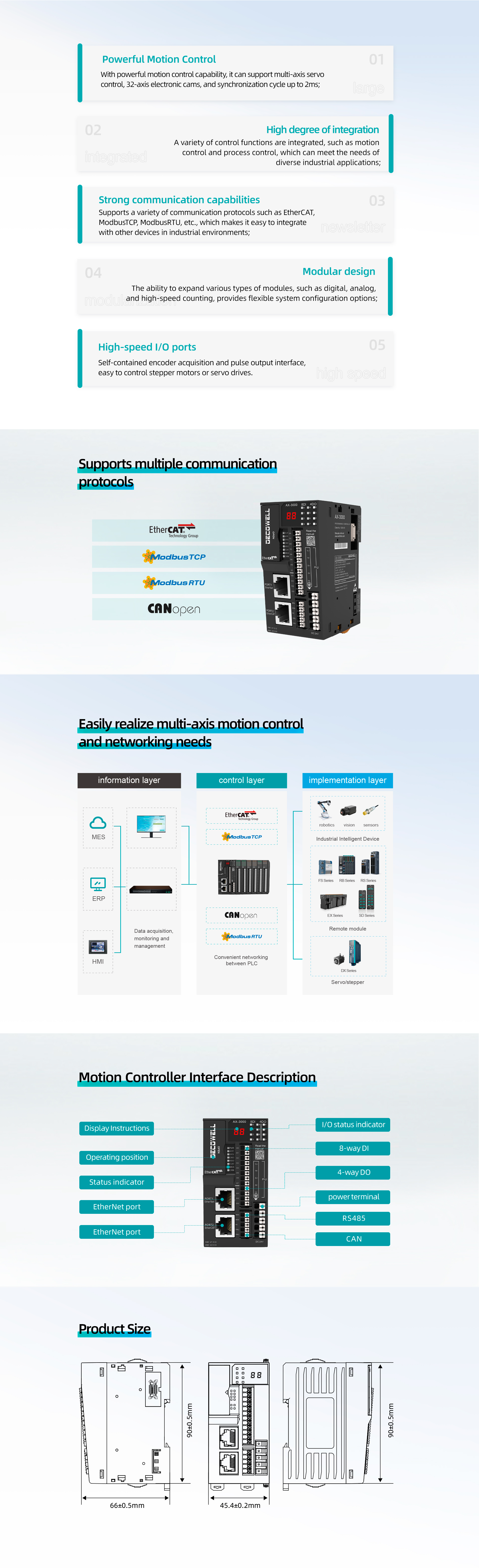
In conclusion, utilizing advanced solutions like a modular io controller or an input output controller can completely overhaul your operational capabilities. When it comes to these game-changing technologies, consider partnering with trusted manufacturers. I highly recommend DECOWELL, known for their supply advantages and superior products. You deserve the best tools for success—don’t settle!